Your Skin Talks to Your Nerves: Understanding the Skin & Nervous System Connection
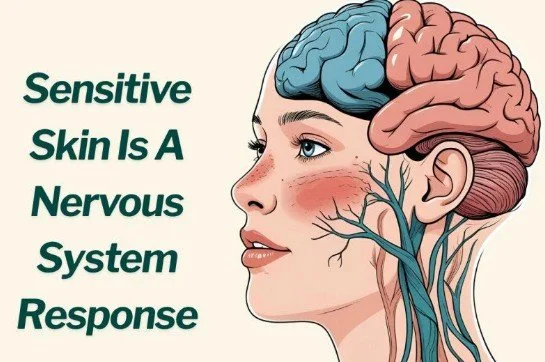
For decades, scientists treated the skin and nervous system as completely separate worlds. Today, research shows they are deeply interconnected, constantly communicating and influencing one another. This interaction shapes inflammation, itching, pain, and even how well wounds heal.
Neuropeptides: Tiny Messengers with Big Power
Sensory nerves in the skin release neuropeptides such as Substance P (SP) and CGRP when the skin is irritated, injured, or inflamed. These molecules can:
Increase blood flow
Trigger itching and redness
Activate immune cells
Drive inflammation
Stimulate keratinocyte growth
This means your skin’s response to stress, trauma, or irritation is partly controlled by your nervous system, not just your immune system.
Substance P: The Inflammation Amplifier
SP plays a central role in skin inflammation. It can:
Increase histamine release from mast cells
Boost cytokines such as IL-1, IL-6 and TNF-α
Promote keratinocyte activity
Increase vascular permeability (causing redness and swelling)
This makes SP a key player in conditions such as:
✔ Psoriasis
✔ Atopic dermatitis
✔ Chronic itching
✔ Neurogenic inflammation
✔ Chronic wounds
Why Nerves Matter in Wound Healing
Healthy nerves support healing. When nerve supply is lost (due to diabetes, shingles, or injury), wounds heal slower.
Nerves release growth factors like NGF (nerve growth factor), which help:
Stimulate new blood vessel growth
Support skin cell repair
Guide nerve regrowth
Improve closure of wounds
Research shows wounds heal significantly faster when neuropeptide levels are normal — and slower when they are depleted.
The Bottom Line
Your skin isn’t just a barrier — it’s part of a highly intelligent sensory network. Understanding this skin–nerve connection is helping clinicians develop holistic treatments targeting neurogenic inflammation, pain, and chronic skin disease.
Reference:
Ansel, J.C., Kaynard, A.H., Armstrong, C.A., Olerud, J., Bunnett, N. and Payan, D. (1996). Skin-Nervous System Interactions. Journal of Investigative Dermatology, [online] 106(1), pp.198–204. doi:https://doi.org/10.1111/1523-1747.ep12330326.