Gut Health and Acne: How Dysbiosis May Influence Breakouts
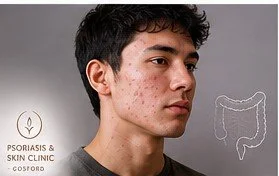
Acne vulgaris is one of the most common skin concerns worldwide, affecting up to 85% of adolescents and many adults well into their 20s and 30s. Acne is often thought of as a skin-deep problem. Hormones, genetics and skincare certainly play important roles, but growing research is exploring another part of the picture: the gut microbiome.
The relationship between the gut and skin is often described as the gut-skin axis. This is a two-way communication pathway through which changes in gut health may influence immune regulation, inflammation and skin barrier function.
What Is Gut Dysbiosis?
Gut dysbiosis refers to an imbalance in the microorganisms living within the digestive system.
A healthy gut microbiome contains a diverse community of microorganisms that interact with the digestive system, immune system and wider body.
When dysbiosis occurs, changes in the gut environment may influence inflammation and immune responses. The source material suggests that this may have implications for skin health and acne.
How Does the Gut-Skin Axis Relate to Acne?
The gut microbiome produces essential metabolites such as vitamins, neurotransmitters, and short-chain fatty acids (like butyrate), which help regulate inflammation. When dysbiosis develops:
The gut barrier weakens, becoming less resilient and potentially allowing toxins to enter the bloodstream.
Systemic inflammation increases.
Immune responses shift, contributing to skin inflammation.
Sebum production and keratinisation become disrupted.
Skin barrier function may be affected.
The research discussed in the original article also notes that people with acne may have differences in the bacteria associated with butyrate production.
Additionally, gut microbes produce neurotransmitters like serotonin and GABA, which influence skin physiology. GABA, for example, promotes collagen synthesis and skin elasticity.
Diet and Acne
Diet is another important part of the gut-skin conversation.
The original material identifies a Western-style dietary pattern—high in sugar, refined carbohydrates, processed foods, dairy and saturated fats, as being associated with acne. These dietary factors are discussed in relation to inflammation and the mTORC1 pathway, which can influence sebum production, inflammation and keratinocyte activity.
Foods and dietary patterns discussed in the source material include:
High-glycaemic meals
Chocolate
Whey protein
Highly processed foods
High-fat foods
Meat-heavy diets that are high in leucine
On the other hand, diets containing more plant-based foods, vegetables, fruit and lower-glycaemic choices may support a healthier inflammatory and microbial environment.
What Is mTORC1?
The mTORC1 pathway is involved in cell growth and metabolism.
The original article discusses how dietary factors may stimulate this pathway and potentially contribute to increased sebum production, inflammation and keratinocyte overgrowth associated with acne.
This provides one possible explanation for why dietary and metabolic factors may be relevant to acne beyond simply what is happening on the surface of the skin.
Can Probiotics Help?
Probiotics are live microorganisms that may provide health benefits when consumed in adequate amounts.
The source material discusses probiotics as one potential approach to supporting microbial balance and reducing inflammation. It also identifies Lactobacillus and Bifidobacterium as probiotic groups associated with skin-health research.
Prebiotics can also be important because they provide food for beneficial gut bacteria. Foods containing prebiotic fibres include:
Bananas
Asparagus
Leeks
Onions
Chicory root
The Gut-Brain-Skin Connection
The relationship between acne, gut health and mental wellbeing may also be interconnected.
Psychological stress can influence the gut microbiome, while gut dysbiosis can contribute to inflammatory processes. These pathways may then influence skin inflammation and acne.
This is sometimes described as the gut-brain-skin axis, highlighting the relationship between digestive health, psychological stress and skin health.
Supporting Gut Health for Skin Health
Supporting gut health doesn't mean there is one diet that will work for everyone.
A practical approach may include:
Eating a wide variety of whole foods
Including plenty of fibre-rich plant foods
Reducing highly processed foods
Being mindful of high-glycaemic foods
Considering individual food triggers
Supporting a diverse gut microbiome
Managing stress
Getting adequate sleep
Discussing probiotics or other supplements with an appropriately qualified practitioner
Restoring Gut Health for Clearer Skin
The paper highlights several promising interventions:
Probiotics — reduce inflammation and improve microbiome balance.
Prebiotics — help improve insulin sensitivity and skin appearance.
Herbal medicine — green tea, turmeric, and plant extracts show antimicrobial benefits.
Naturopathic treatments — fasting therapy, hydrotherapy, mud therapy.
Acupuncture — may reduce inflammation and balance hormones.
In closing
Acne is more than a surface-level concern.
The emerging research around the gut-skin axis provides another way of looking at acne—one that considers the relationship between the gut microbiome, diet, inflammation, immune regulation and the skin.
Supporting gut health may therefore form part of a broader, individualised approach to acne management.
Reference:
Sanjita Konsam, R, L.D., Lakshmeesha DR, Prajna and Swathi S (2025). Exploring the relationship between Gut Dysbiosis and Acne Vulgaris in Adolescence and Young Adults: A Narrative Review. Journal of Ayurveda and Integrated Medical Sciences, [online] 10(2), pp.171–178. doi:https://doi.org/10.21760/jaims.10.2.24.