Psoriasis Treatment Gosford | Evidence-Informed Care for Chronic Psoriasis
Di's approach builds on the clinical principles developed through her advanced training with Professor Tirant while integrating current evidence on nutrition, gut health, immune function and lifestyle medicine.
Understanding Psoriasis – Looking Beyond the Skin
Living with psoriasis can be challenging. Beyond the visible plaques, many people experience itching, discomfort, disrupted sleep, embarrassment and the frustration of unpredictable flare-ups.
At Psoriasis & Skin Clinic – Gosford, we understand that psoriasis is much more than a skin condition. It is a chronic immune-mediated inflammatory disease that affects every person differently.
While psoriasis appears on the skin, research has shown it involves a complex interaction between the immune system, genetics and environmental factors. It may also be associated with other health conditions, making it important to look beyond the skin when developing a personalised management plan.
With more than 25 years of clinical experience, Di Wallace provides evidence-informed naturopathic care that considers the relationship between the immune system, gut health, nutrition, lifestyle and chronic inflammation.
Whether you are seeking care on the Central Coast or through an online consultation from Sydney, elsewhere in Australia or overseas, our goal is to help you better understand your skin and support your long-term health.
-
Psoriasis is a chronic immune-mediated inflammatory disease that causes skin cells to grow much faster than normal.
Normally, skin cells take around 28 days to mature and naturally shed. In people with psoriasis, this process may occur in as little as 3–7 days, causing skin cells to build up on the surface of the skin.
This rapid turnover results in the characteristic red, raised plaques covered with silvery-white scales.
Key Facts About Psoriasis
Chronic inflammatory disease
Immune-mediated (the immune system plays a central role)
Not contagious
Cannot be passed from person to person
May affect the skin, nails and joints
Often follows a pattern of flare-ups and remission
Can occur at any age, but most commonly develops between 15 and 35 years
Psoriasis affects about 6.6% of the Australian population and has a significant impact on quality of life. Psoriasis is NOT considered a life-threatening disease though the social and psychological impact is considerable including elevated levels of anxiety, depression, and worry.
Although there is currently no cure, many people successfully reduce the frequency and severity of flare-ups through an individualised management plan.
-
Symptoms vary from person to person and may change over time.
Common signs and symptoms include:
Red, inflamed plaques
Silvery-white scales
Dry, cracked skin that may bleed
Itching
Burning or soreness
Thickened or ridged nails
Scalp scaling
Joint pain or stiffness (in some people)
Some people experience only a few small patches, while others may have more widespread skin involvement.
-
Over the past two decades, our understanding of psoriasis has changed significantly.
Psoriasis was once considered simply a skin disease. Today, it is recognised as a systemic inflammatory condition, meaning inflammation may affect other parts of the body as well.
Research has shown that people living with psoriasis have a higher risk of developing other inflammatory conditions, including:
Psoriatic arthritis
Cardiovascular disease
Metabolic syndrome
Type 2 diabetes
Obesity
Anxiety and depression
Inflammatory bowel disease
This is one reason why taking a whole-person approach to health is so important.
At Psoriasis & Skin Clinic – Gosford, we look beyond the visible symptoms to better understand the factors that may be contributing to inflammation and flare-ups.
-
Psoriasis is a complex immune-mediated inflammatory disease, which means it develops because of the way the immune system interacts with the skin.
For most people, psoriasis is not caused by one single factor. Instead, it usually develops when genetic susceptibility combines with environmental or lifestyle triggers, causing the immune system to become overactive.
Once this inflammatory process begins, the body mistakenly signals skin cells to grow and divide much faster than normal. Instead of shedding naturally over approximately four weeks, new skin cells reach the surface in just a few days. Because the old cells cannot be shed quickly enough, they build up to form the thick, red, scaly plaques that are characteristic of psoriasis.
-
Your immune system is designed to protect you from infections and help repair damaged tissues.
In psoriasis, however, parts of the immune system become overactive, even when there is no infection or injury to fight.
Specialised immune cells release chemical messengers called cytokines, which act like communication signals between cells.
In psoriasis, some of these cytokines remain switched on for longer than they should, leading to ongoing inflammation and rapid skin cell growth.
Researchers have identified several important inflammatory cytokines involved in psoriasis, including:
Tumour Necrosis Factor (TNF-α)
Interleukin-17 (IL-17)
Interleukin-23 (IL-23)
These inflammatory pathways are now the target of many modern biologic medications used to treat moderate to severe psoriasis.
-
Psoriasis often runs in families, but having a family history does not guarantee that you will develop the condition.
Scientists have identified many genes that increase susceptibility to psoriasis, particularly genes involved in regulating the immune system.
Many people may carry these genes throughout their lives without ever developing symptoms.
This is because genetics alone are usually not enough. Environmental and lifestyle factors often influence whether psoriasis develops or whether flare-ups occur.
-
One of the most frustrating aspects of psoriasis is that symptoms often improve for a period of time before returning unexpectedly.
These periods of worsening symptoms are known as flare-ups.
Common triggers include:
Emotional stress
Infections (particularly streptococcal throat infections)
Skin injury or trauma (known as the Koebner phenomenon)
Certain medications
Smoking
Excess alcohol consumption
Obesity
Hormonal changes
Cold, dry weather
Poor sleep
Other illnesses
Not everyone responds to the same triggers, which is why understanding your individual pattern is an important part of long-term management.
-
Although psoriasis shares common inflammatory pathways, no two people experience the condition in exactly the same way.
Some people develop only a few small plaques, while others experience more widespread skin involvement. For some, stress may be the biggest trigger; for others, infections, weight, medications or lifestyle factors play a greater role.
At Psoriasis & Skin Clinic – Gosford, understanding these individual differences is central to our approach.
Rather than applying the same recommendations to everyone, we take the time to understand your health history, identify possible contributing factors and develop a personalised plan that reflects your unique circumstances.
The Gut–Skin Axis and Psoriasis
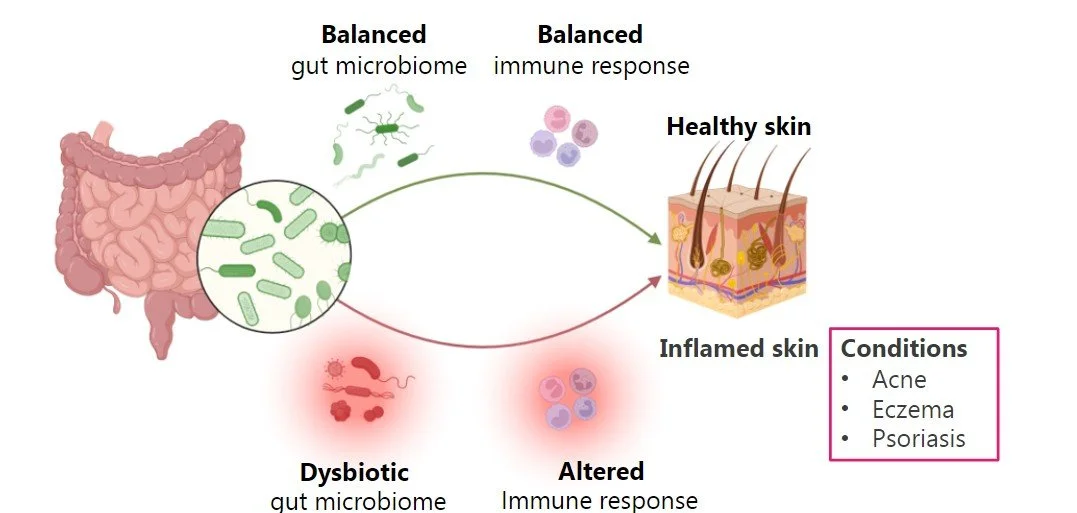
Over the past decade, research has increased our understanding of the connection between the gut, immune system and skin. This relationship is known as the gut–skin axis.
While psoriasis develops on the skin, the immune system is active throughout the body. Because around 70% of the body's immune cells are associated with the gastrointestinal tract, researchers are investigating how gut health may influence immune regulation and inflammation.
Although this area of research is still evolving, studies suggest that the gut microbiome may play a role in chronic inflammatory conditions, including psoriasis.
-
The gut microbiome refers to the trillions of bacteria, fungi and other microorganisms that naturally live within the digestive tract.
A healthy microbiome performs many important functions, including:
Supporting immune system function
Helping maintain the intestinal barrier
Assisting with digestion
Producing beneficial compounds, including short-chain fatty acids
Supporting vitamin synthesis
Helping regulate inflammation throughout the body
When the balance of these microorganisms changes, a process known as dysbiosis, immune function may also be affected.
-
Dysbiosis describes an imbalance in the gut microbiome.
Research has found that some people living with psoriasis have differences in the composition of their gut bacteria compared with people without psoriasis. However, researchers are still investigating whether these changes contribute to psoriasis, result from the disease itself, or both.
This is an active area of research, and while findings are promising, more studies are needed to fully understand these relationships.
-
The lining of the digestive tract acts as an important protective barrier.
When functioning normally, it allows nutrients to be absorbed while helping prevent unwanted substances from entering the bloodstream.
Researchers are exploring whether changes in intestinal barrier function may influence immune activation in some chronic inflammatory diseases, including psoriasis. While this concept is often referred to as increased intestinal permeability, its role in psoriasis is still being investigated.
Maintaining a healthy gut environment through a balanced diet, adequate fibre intake and healthy lifestyle habits may support normal gut barrier function and overall health.
-
There is no single "psoriasis diet" that works for everyone.
However, nutrition may influence several factors associated with psoriasis, including:
Gut microbiome diversity
Body weight
Metabolic health
Inflammation
Nutrient status
Cardiovascular health
An eating pattern rich in vegetables, fruit, legumes, whole grains, healthy fats and lean protein supports overall health and may also benefit people living with chronic inflammatory conditions.
Individual food triggers can vary considerably, so dietary recommendations should always be personalised rather than based on restrictive diets alone.
-
Current evidence suggests that psoriasis is a whole-body inflammatory condition, and the gut–skin axis is one of several areas that may influence immune function.
At Psoriasis & Skin Clinic – Gosford, gut health is considered as part of a comprehensive assessment—not as the sole cause of psoriasis, but as one of many factors that may contribute to overall health and inflammation.
Every patient is different, which is why treatment plans are personalised and may include nutrition, lifestyle strategies and other evidence-informed naturopathic approaches alongside conventional medical care where appropriate.
Gut-Skin-Axis
What Causes Psoriasis Flare-Ups?
One of the most frustrating aspects of psoriasis is that symptoms often come and go. Many people experience periods where their skin is relatively stable, followed by flare-ups that seem to occur without warning.
In reality, flare-ups are often influenced by a combination of factors rather than a single trigger.
Understanding your individual triggers is an important part of long-term psoriasis management. Keeping a symptom diary or monitoring changes over time may help identify patterns that can guide treatment and lifestyle decisions.
-
Stress is one of the most commonly reported triggers for psoriasis flare-ups.
When we're under prolonged stress, the body releases hormones and inflammatory chemicals that can influence immune function. For some people, this may contribute to increased skin inflammation.
Stress can also affect:
Sleep quality
Food choices
Physical activity
Gut health
Overall wellbeing
Managing stress doesn't mean eliminating it completely, something that's rarely possible, but developing healthy coping strategies may help reduce its impact on your skin.
Many individuals with psoriasis experience feelings of self-consciousness and embarrassment due to the visible nature of their condition. Societal misconceptions about skin disorders can lead to stigma and discrimination, which can significantly affect self-esteem. This constant worry about how others perceive them can lead to anxiety and depression.
-
Certain infections can trigger or worsen psoriasis.
One of the best-known examples is guttate psoriasis, which often develops after a streptococcal throat infection, particularly in children and young adults.
Other viral or bacterial infections may also contribute to flare-ups by activating the immune system.
-
In some people, psoriasis can develop in areas where the skin has been injured.
This is known as the Koebner phenomenon.
Common triggers include:
Cuts and scratches
Sunburn
Surgical scars
Tattoos
Friction from clothing
Repeated rubbing or pressure
Looking after your skin and avoiding unnecessary trauma may help reduce this risk.
-
Some medications are known to trigger or worsen psoriasis in susceptible individuals.
Examples include:
Certain blood pressure medications (such as beta-blockers)
Lithium
Some antimalarial medications
Sudden withdrawal of oral corticosteroids
Never stop prescribed medication without discussing it with your GP or specialist.
If you think a medication may be affecting your psoriasis, speak with your healthcare provider about the alternative safe options.
-
Both smoking and excessive alcohol consumption have been associated with more severe psoriasis and may reduce the effectiveness of some treatments.
Reducing or stopping smoking and moderating alcohol intake can benefit not only your skin but also your overall health.
-
Research has shown that maintaining a healthy body weight may improve psoriasis outcomes for some people.
Excess body fat produces inflammatory chemicals that may contribute to ongoing inflammation.
Supporting a healthy weight through balanced nutrition and regular physical activity may have benefits beyond skin health, including reducing the risk of cardiovascular disease and type 2 diabetes.
-
Hormonal fluctuations may influence psoriasis in some individuals.
Some people notice changes during:
Puberty
Pregnancy
After childbirth
Perimenopause
Menopause
These patterns vary from person to person, highlighting the importance of an individualised approach to care.
-
Quality sleep plays an important role in immune regulation and overall health.
Poor sleep may contribute to increased stress, fatigue and inflammation, creating a cycle that can make psoriasis more difficult to manage.
Other lifestyle factors that may influence flare-ups include:
Physical inactivity
Poor dietary patterns
Excessive alcohol intake
Smoking
Chronic stress
Small, sustainable lifestyle changes often provide greater long-term benefits than short-term restrictive approaches.
-
There is no universal diet that cures psoriasis.
However, nutrition plays an important role in supporting overall health, immune function and metabolic health.
Rather than focusing on restrictive diets, current evidence supports eating patterns that include:
Plenty of vegetables and fruit
Whole grains
Legumes
Healthy fats
Lean sources of protein
High-fibre foods that support a healthy gut microbiome
Because every person is different, dietary recommendations should always be tailored to the individual.
-
No two people experience psoriasis in exactly the same way.
While one person may notice flare-ups after periods of stress, another may find infections, skin injury or lifestyle factors have a greater influence.
At Psoriasis & Skin Clinic – Gosford, we work with patients to identify potential patterns and contributing factors through a comprehensive health assessment.
Our aim is not simply to manage flare-ups when they occur, but to help you better understand the factors that may influence your psoriasis over time.
Wondering what to expect?
Types of Psoriasis
Psoriasis is not the same for everyone. There are several different types of psoriasis, each with its own appearance, symptoms and pattern of flare-ups.
Some people experience only one type throughout their lives, while others may develop different forms of psoriasis over time.
-
Plaque psoriasis is the most common form, accounting for around 80–90% of cases.
Common features
Well-defined red plaques
Thick silvery-white scales
Dry or cracked skin
Itching or soreness
Commonly affected areas
Elbows
Knees
Lower back
Scalp
Plaque psoriasis may range from a few small patches to more extensive skin involvement.
-
Guttate psoriasis often appears suddenly and is more common in children and young adults.
It frequently develops after a streptococcal throat infection.
Common features
Numerous small, drop-shaped spots
Fine scaling
Rapid onset
Commonly affected areas
Arms
Legs
Trunk
For some people, guttate psoriasis resolves after the infection. Others may later develop plaque psoriasis.
-
Scalp psoriasis can affect part of the scalp or the entire scalp.
It may extend beyond the hairline and is often mistaken for dandruff.
Common symptoms
Thick scaling
Persistent itching
Dry scalp
Flaking
Temporary hair shedding due to inflammation or scratching
Many people experience scalp psoriasis alongside psoriasis elsewhere on the body.
-
Inverse psoriasis affects skin folds, where friction and moisture are common.
Common areas
Armpits
Groin
Under the breasts
Buttocks
Genital region
Unlike plaque psoriasis, inverse psoriasis often appears as smooth, shiny red patches with little or no scaling because of the moist environment.
-
Up to half of people living with psoriasis develop changes to their fingernails or toenails.
Common signs include
Small pits in the nails
Thickened nails
Yellow or brown discoloration
Nails lifting away from the nail bed
Crumbling nails
Nail psoriasis may occur on its own or alongside skin psoriasis and is more common in people with psoriatic arthritis.
-
Pustular psoriasis is a less common form characterised by sterile pustules (small blisters filled with white blood cells rather than infection).
Symptoms may include:
Red, inflamed skin
White pustules
Pain
Tenderness
Generalised pustular psoriasis can be serious and requires urgent medical assessment.
-
Erythrodermic psoriasis is the rarest and most severe form of psoriasis.
It causes widespread inflammation affecting most of the body's surface.
Symptoms may include:
Extensive redness
Severe peeling
Pain
Swelling
Fever or chills
Difficulty regulating body temperature
This is a medical emergency that requires immediate hospital treatment.
Treatment Philosophy
Psoriasis is a genetic condition which to date is incurable. The Psoriasis & Skin Clinic, Gosford targets clearing the skin lesions and helping patients into remission where symptoms can be managed. Knowing your triggers goes a long way to downregulating acute onsets and managing long term.
My treatment philosophy initially addresses presenting symptoms, the most bothersome for a patient. Once they are under control, next is addressing the underlying factors that exacerbate the flaring of the skin. Patients are on the journey with me, learning to identify their triggers, thus becoming empowered and ultimately making better decisions for their health.
Psoriasis symptom treatment may take approximately 6-12 weeks, depending on the severity of your condition, the length of time you have suffered and your ability to keep strictly to a protocol that we recommend.
Frequently Asked Questions
This information is educational only and is not intended to diagnose, treat or replace medical advice. Always consult your healthcare practitioner regarding skin conditions, medications and medical concerns.
-
No. Psoriasis is not contagious and cannot be passed from person to person through touch or contact.
-
Diet is not considered the direct cause of psoriasis; however, some foods may worsen inflammation or trigger symptoms in certain individuals. This is noted by psoriasis naturopath Gosford.
Reducing inflammatory dietary patterns and supporting gut health may help some people better manage their psoriasis.
-
Possible aggravating factors include:
Stress
Illness
Lack of sleep
Smoking
Alcohol
Hot showers
Dry climates
Certain medications
Environmental allergens
Triggers differ between individuals.
-
At psoriasis clinic Central Coast, the common areas seen in clinic most frequently include:
Scalp
Elbows
Knees
Lower back
Ears
Face
Hands and feet
Nails
Genital region
It may also occur more extensively across the body.
-
If you are struggling with chronic psoriasis, recurrent flares, itching, scaling or associated gut and stress symptoms, personalised support may help identify contributing triggers and inflammatory drivers.
The Psoriasis & Skin Clinic Gosford provides evidence-informed naturopathic support for psoriasis and chronic inflammatory skin conditions across the Central Coast and Australia via telehealth.
-
The psoriasis clinic Central Coast recommends seeking medical care if you experience, erythrodermic psoriasis, a severe infection, sudden worsening or increased psoriatic arthritis symptoms.
Ready to Take the Next Step?
If you've been struggling with psoriasis and are looking for an evidence-informed, personalised approach that considers your skin, gut health, nutrition, lifestyle and overall wellbeing, I'd love to help.
✔ Initial 75-minute consultation*
✔ Telehealth Australia-wide or in-person on the Central Coast
✔ Personalised treatment plan
✔ Ongoing support throughout your journey
Supporting Acne Patients Across the Central Coast
Patients commonly attend the clinic from:
Gosford
Erina
Terrigal
Woy Woy
Avoca Beach
Saratoga
Umina
Bateau Bay
Tuggerah
Wyong
Ettalong
Point Clare
Telehealth consultations may also be available Australia-wide.
References
Cleveland Clinic (2022). Psoriasis | Cleveland Clinic. [online] Cleveland Clinic. Available at: https://my.clevelandclinic.org/health/diseases/6866-psoriasis.
Psoriasis.org. (2025). Psoriasis: Symptoms, Causes, Images & Treatment. [online] Available at: https://www.psoriasis.org/about-psoriasis/#overview.